Ledger Live: Privacy and Anonymity Features
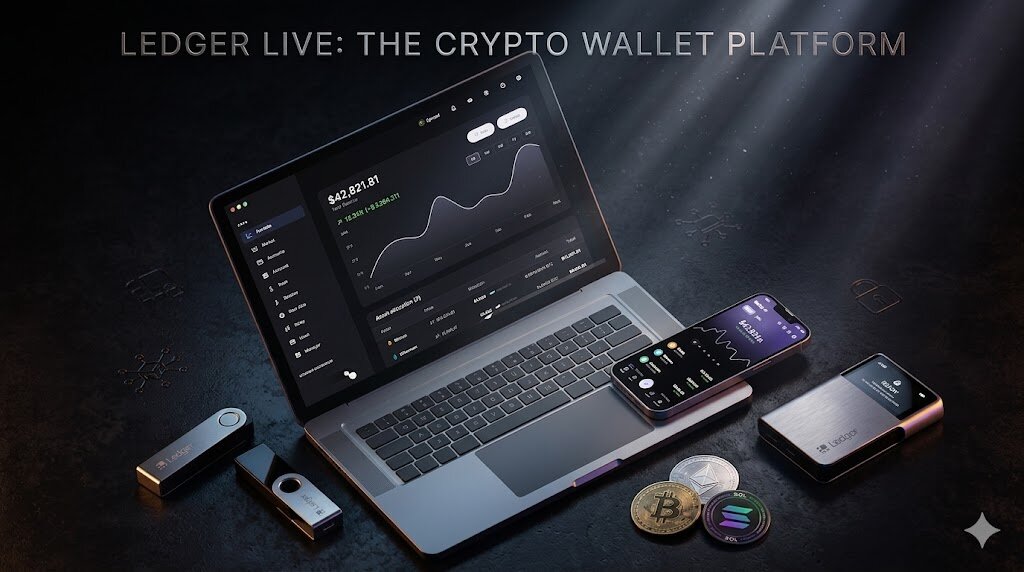
Ledger Live privacy and anonymity features address how the application handles user data and what protections exist for users wanting privacy alongside the platform's core wallet functionality. The Ledger Live application implements various privacy mechanisms throughout its operation, with the broader approach balancing privacy protection against the practical requirements that wallet operations involve across different functional areas.
Privacy in crypto wallet contexts involves multiple dimensions including blockchain-level transaction visibility, application-level data handling, network-level connection patterns, and various other aspects that together determine actual privacy outcomes. The Ledger Live application addresses some privacy dimensions directly while leaving others to underlying blockchain protocols or user practices, with comprehensive privacy resulting from combinations of platform features and user choices rather than just application settings.
This overview examines Ledger Live privacy across multiple aspects, from application-level data handling through blockchain privacy considerations and user-controllable settings. The Ledger Live platform provides specific privacy mechanisms within the application while operating within the broader privacy realities that crypto inherently involves, with users understanding both what the platform protects and what remains visible at various levels affecting actual privacy outcomes.
Ledger Live Application Privacy
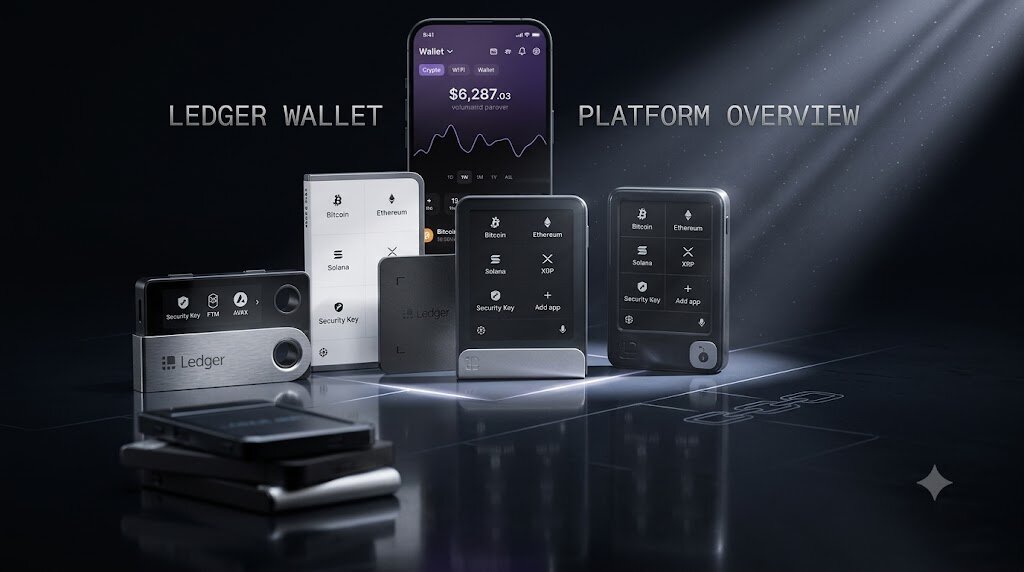
Ledger Live application privacy concerns how the platform handles user data within the application itself. Understanding application privacy clarifies what data flows where.
Local Data Storage Approach
Local data storage approach in Ledger Live keeps most user data on user devices rather than centralized servers. The Ledger Live application stores account configurations, transaction history caches, user preferences, and various other operational data locally on whichever devices users install the application. Local storage means most user data doesn't transmit to Ledger or any other party during normal operation, with the application functioning largely independently of external services for routine activities. The Ledger Live local storage approach contrasts with centralized services that store user data on their servers, providing privacy advantages through architectural separation of user data from any centralized collection. Users completing normal Ledger Live operations benefit from this local data handling without needing to actively configure privacy settings for the local-first behavior.
Private Key Privacy Architecture
Private key privacy architecture in Ledger Live ensures that the most sensitive cryptographic material never appears in the application. The Ledger Live application doesn't store, transmit, or display private keys anywhere within its operation, with the keys remaining exclusively within the connected hardware device's secure element. The architectural separation means even sophisticated analysis of the Ledger Live application cannot extract or expose private keys, since they don't exist within the application to be analyzed. The Ledger Live private key privacy represents one of the most important privacy properties the platform provides, addressing the most consequential privacy concern that crypto wallet
usage involves. Users running Ledger Live benefit from this architectural privacy regardless of what specific privacy settings they configure within the application itself.
Network Communication Patterns
Network communication patterns in Ledger Live involve various servers that the application connects to for different functions. The Ledger Live application communicates with Ledger servers for app installations and updates, with blockchain nodes for transaction broadcasting and balance queries, with price data providers for portfolio valuation, and with various other services for specific features. Each communication category involves different privacy implications, with some communications being unavoidable for the relevant functionality while others users can sometimes minimize through specific settings. The Ledger Live network communication remains relatively privacy-conscious within the constraints of actually delivering the functionality the application provides, though complete privacy is impossible for an application that needs to interact with blockchains and external services to function.
| Ledger Live Privacy Element | Privacy Protection | User Control |
|---|---|---|
| Private keys | Hardware-only | Architectural storage |
| Recovery phrase | Never transmitted | Architectural |
| Local data | On-device storage | Limited |
| Network communications | Various endpoints | Some configuration |
| Price data queries | External providers | Limited |
| Transaction history | Local with sync option | Configurable |
| Account names | Local with sync option | Configurable |
| Settings preferences | Local with sync option | Configurable |
Ledger Live Blockchain Privacy

Ledger Live blockchain privacy operates within the broader privacy realities of blockchain transactions. Understanding blockchain privacy clarifies what remains visible despite application protections.
Address-Based Transaction Visibility
Address-based transaction visibility represents the fundamental blockchain privacy reality that Ledger Live cannot override. The Ledger Live application doesn't change the underlying blockchain visibility where addresses link to all transactions involving them, with the visibility being inherent to public blockchain operation rather than something wallet applications control. Blockchain analytics services link addresses to broader transaction patterns, sometimes connecting addresses to specific identities through various analysis techniques. The Ledger Live application provides standard wallet operations on top of these public blockchain protocols, with the privacy properties being whatever the underlying blockchains provide rather than additional privacy that the wallet application creates. Users understanding this reality make informed decisions about their crypto privacy rather than expecting wallet applications to provide privacy that the underlying protocols don't support.
Address Generation Patterns
Address generation patterns in Ledger Live affect privacy through how the application handles receiving addresses. The Ledger Live application generates fresh addresses for each receive request on blockchains where address rotation is standard practice like Bitcoin. Address rotation improves privacy by preventing all incoming transactions from accumulating on single addresses that would create comprehensive activity records linked to that address. Some blockchains like Ethereum use static addresses by convention, with all activity flowing through single addresses per account regardless of address rotation practices that other networks support. The Ledger Live address generation follows each blockchain's standard
practices rather than imposing uniform behavior across networks with different conventions, with the resulting privacy varying by blockchain rather than being uniform across all Ledger Live operations.
Transaction Privacy Limitations
Transaction privacy limitations affect Ledger Live operations regardless of application-level privacy features. The Ledger Live application cannot make transactions more private than the underlying blockchains support, with the privacy properties being determined by each blockchain's specific protocol rather than wallet implementation. Most major blockchains including Bitcoin and Ethereum provide pseudonymous rather than truly anonymous transactions, with addresses being public identifiers rather than personal identities but with the addresses linkable to broader patterns through various analytical techniques. The Ledger Live transaction privacy limitations represent realistic constraints rather than implementation gaps, with users wanting stronger privacy needing to work with privacy-focused blockchains or specialized privacy tools rather than expecting standard wallet applications to overcome these protocol-level constraints.
Ledger Live Interface Privacy
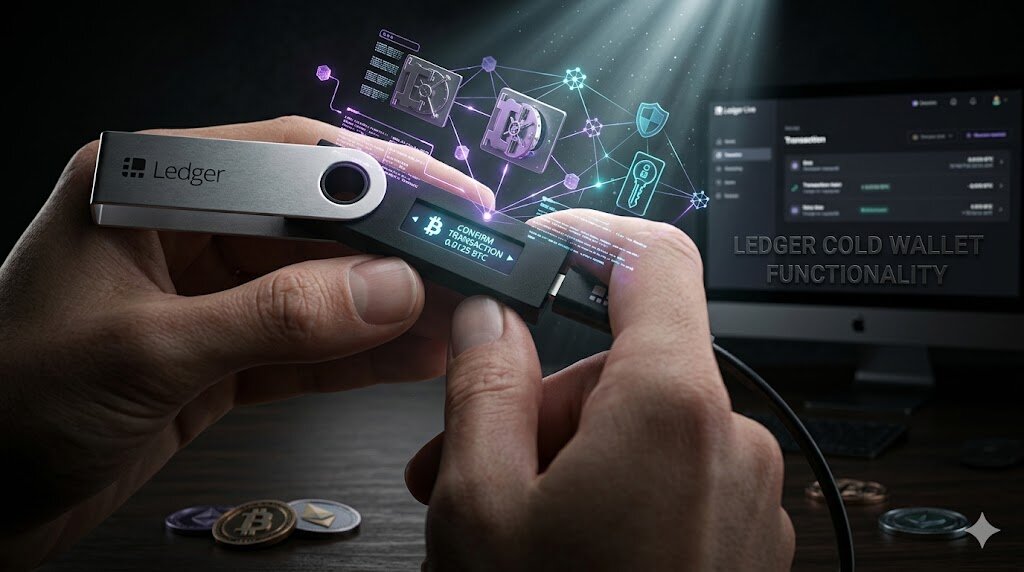
Ledger Live interface privacy addresses what the application displays and who might see it. Understanding interface privacy clarifies user-controllable display aspects.
Balance Hiding Options
Balance hiding options in Ledger Live let users control whether financial details display on their screens. The Ledger Live application supports privacy mode that hides balance amounts and various other financial details, replacing them with placeholder values that
don't reveal actual holdings. Users enable privacy mode when they want to use the application in situations where others might see the screen, with the hidden information being accessible again when users disable privacy mode in private settings. The balance hiding represents practical privacy beyond cryptographic privacy, addressing the situations where social or environmental factors create privacy concerns beyond just technical privacy considerations. Users who frequently use Ledger Live in semi-public settings benefit from quick privacy mode toggling that protects their financial information from incidental observation.
Application Lock Features
Application lock features in Ledger Live provide privacy through preventing unauthorized application access. The Ledger Live application supports optional password protection that locks the user interface, requiring password entry to view any of the application's content. The lock protects privacy of all displayed information including balances, transaction history, and various other potentially sensitive data that the application normally displays. Users enabling the lock benefit from privacy protection that extends across the entire application rather than just specific aspects, with the lock providing comprehensive privacy when users step away from their devices or want to ensure others can't view their crypto information. The application lock represents user-controllable privacy that supplements the hardware-based security with interface-level privacy protection.
Screen Display Considerations
Screen display considerations in Ledger Live affect privacy through what the application shows during normal operation. The Ledger Live application interface includes various information that users sometimes want to hide from observers, with the platform providing various tools for managing display visibility. Beyond the explicit privacy mode and application lock features, users sometimes manage privacy through interface size adjustments, careful screen positioning, and various other practical approaches that affect who can actually see displayed content. The Ledger Live interface privacy works alongside these practical considerations, with the application providing tools that complement rather than replace user attention to their physical environment when using the application in semi-public settings.
Ledger Live Anonymous Usage Considerations
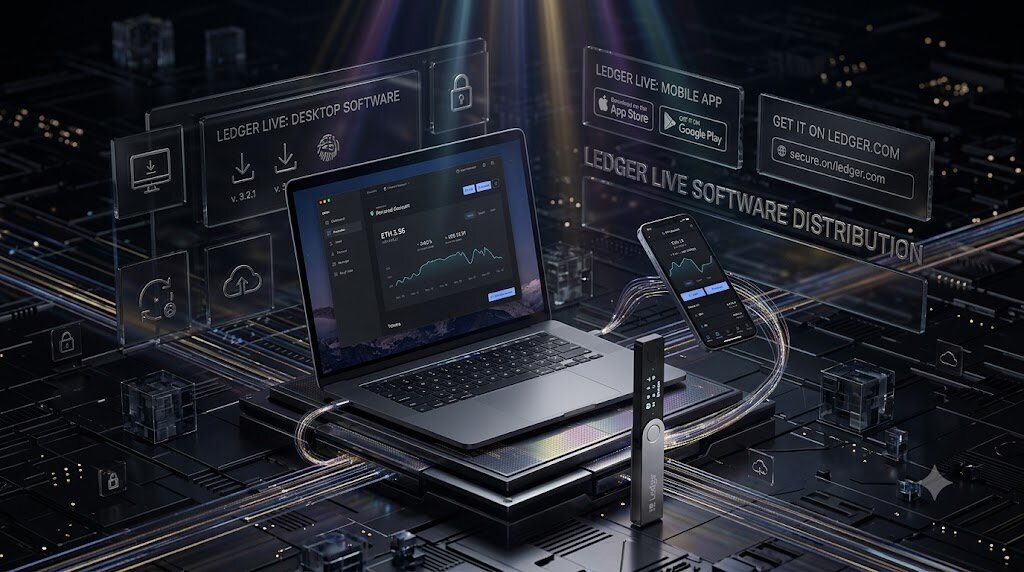
Ledger Live anonymous usage considerations address how anonymously users can actually operate the platform. Understanding anonymity clarifies realistic privacy expectations.
Account Creation Without Identity
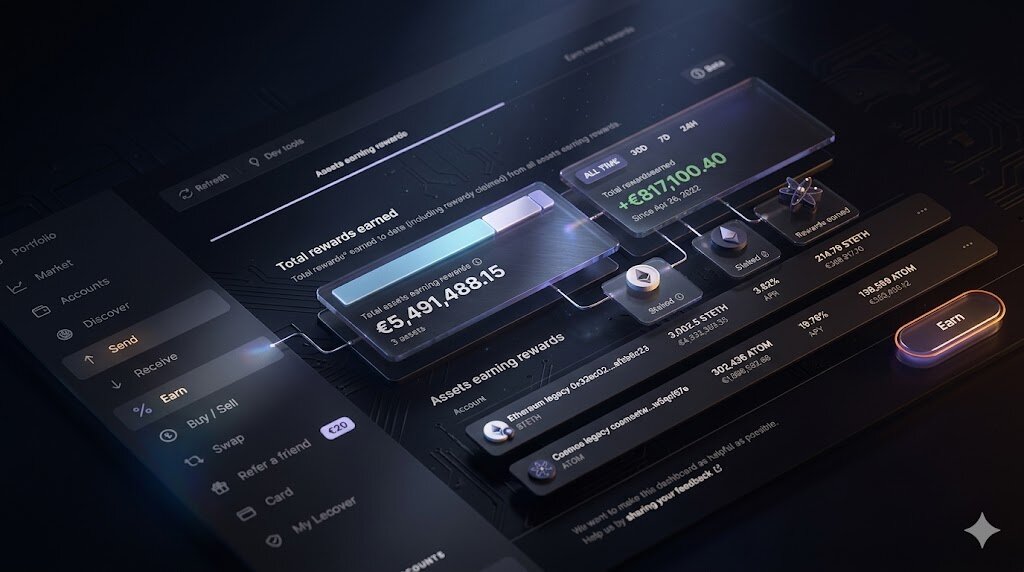
Account creation without identity in Ledger Live happens through hardware-based wallet generation that doesn't require KYC or identity verification. The Ledger Live application setup involves generating recovery phrases and creating accounts entirely through user-controlled processes that don't involve any identity verification with Ledger or external parties. Users can purchase Ledger devices through various channels and set them up without providing identity information to anyone in the process. The anonymous account creation contrasts with exchange wallets that require KYC for account creation, providing privacy benefits at the wallet setup stage that custodial services don't match. The Ledger Live anonymous creation supports users wanting privacy from the very beginning of their crypto activity rather than just within ongoing usage patterns.
KYC Triggered by Specific Features
KYC triggered by specific features within Ledger Live affects users who use those particular features rather than the base wallet functionality. The Ledger Live buy crypto features require KYC with the payment providers that handle fiat-to-crypto purchases, since fiat onramps universally require identity verification due to financial regulations. The Ledger Live recover service involves KYC procedures with the recovery providers as part of the institutional backup model. Users who avoid these specific features maintain anonymous Ledger Live usage, while users who use them accept the KYC requirements that come with the specific feature categories. The selective KYC structure lets users choose their privacy posture by selecting which features to use rather than facing universal KYC requirements across all functionality.
Network Privacy Limitations
Network privacy limitations affect Ledger Live operations through the network communications that the application requires. The Ledger Live application connects to various servers for its operation, with the connections potentially revealing IP addresses and connection patterns that link activity to specific network locations. Users with elevated privacy concerns sometimes use VPNs or similar tools when running Ledger Live to mask their network identities, though such measures address network-level privacy rather than the application-level privacy that Ledger Live directly controls. The Ledger Live network connections themselves operate over encrypted channels that protect connection content, but the existence of connections to Ledger servers and various other services is observable to network observers regardless of content encryption.
The major Ledger Live privacy considerations include the following:
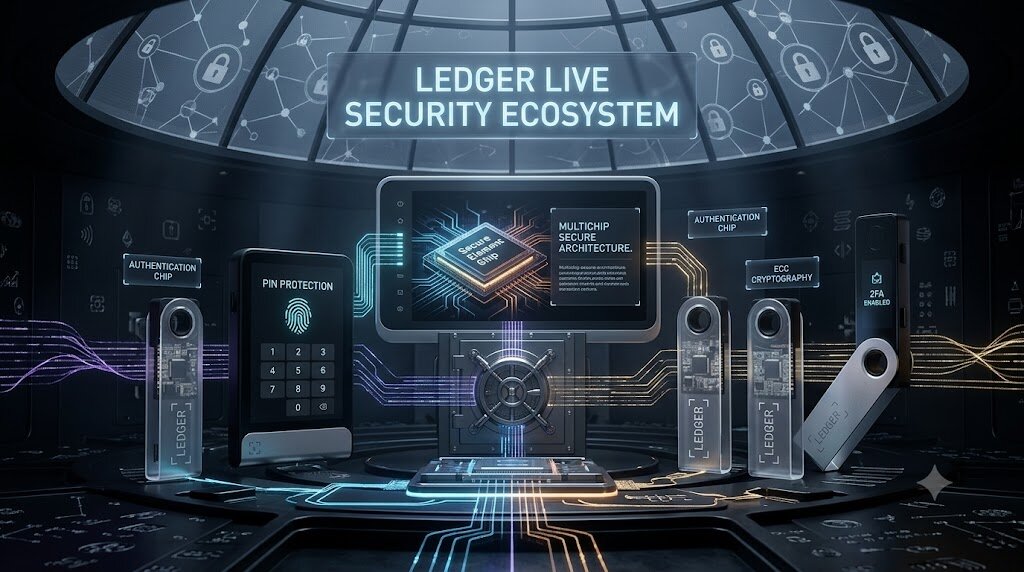
1. Private keys never leaving hardware secure element 2. Recovery phrases never appearing in the application 3. Local data storage rather than centralized collection 4. Blockchain transaction visibility inherent to public blockchains 5. Address generation patterns matching blockchain conventions 6. Balance hiding for situations with potential observers 7. Application lock for comprehensive interface privacy 8. KYC only for specific features rather than universal requirement
Ledger Live Privacy Best Practices
Ledger Live privacy best practices help users maximize their privacy within platform capabilities. Understanding best practices clarifies actionable privacy improvements.
Configuring Available Privacy Settings
Configuring available privacy settings in Ledger Live involves activating the various privacy features the application provides. The Ledger Live application includes settings for balance hiding, application lock, and various other privacy-related options that users enable based on their preferences. The configuration takes minimal time once during initial setup, with the resulting privacy benefits applying continuously across subsequent usage. Some privacy settings affect performance or convenience modestly, with users balancing privacy improvements against any operational costs that specific settings introduce. The Ledger Live privacy settings represent low-effort improvements that produce meaningful privacy benefits, with users generally finding the configuration worthwhile even when they don't have specific high-stakes privacy concerns.
Address Rotation Practices
Address rotation practices for Ledger Live users improve blockchain-level privacy through using fresh addresses for different transactions. The Ledger Live application supports fresh address generation on blockchains where rotation is conventional, with users actually using the rotated addresses being the actual privacy improvement rather than just having the capability available. Users sometimes give different addresses to different counterparties, preventing single addresses from accumulating comprehensive transaction histories linked to single identifiable locations. The address rotation practices work alongside whatever other privacy measures users employ, contributing to the broader privacy outcomes through the multiple privacy improvements stacking together. Active address rotation requires more attention than just letting the application generate fresh addresses without users actually using them differently across their activities.
Operational Privacy Hygiene
Operational privacy hygiene for Ledger Live users includes various practices beyond specific application features. The Ledger Live operational privacy benefits from practices like using the application on private networks rather than public WiFi, being aware of physical surroundings when displaying potentially sensitive information, and using privacy-conscious browsers when accessing crypto-related sites alongside Ledger Live usage. These practical considerations contribute to actual privacy outcomes beyond just what application settings can control. Users serious about privacy combine application-level features with broader operational practices that collectively produce privacy outcomes substantially better than either approach alone could deliver across the various dimensions that comprehensive privacy involves.
Common Ledger Live privacy characteristics across the application include:
- Hardware-based private key isolation
- Recovery phrases never appearing in the application
- Local data storage rather than centralized collection
- Optional balance hiding for screen privacy
- Application lock for comprehensive interface privacy
- Fresh address generation on supporting blockchains
- KYC only for specific features rather than universal
- Anonymous account creation through hardware setup
- Network communications over encrypted channels
- Configurable privacy options matching user preferences